The unexpected parallel between Ouagadougou and Paris
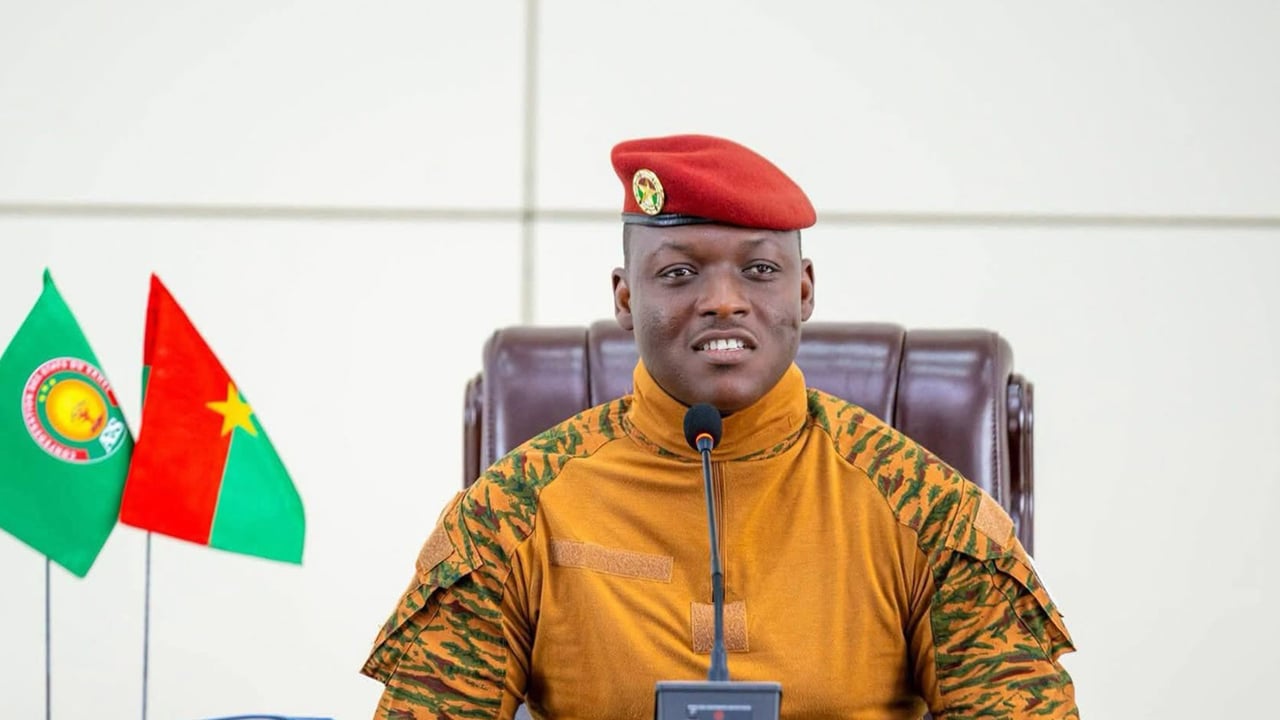
Recent remarks by Burkina Faso’s leader, Ibrahim Traoré, have drawn attention from political observers far beyond the Sahel. His language, centred on national sovereignty and resistance to external interference, has been compared to the discourse of French far-right figure Marine Le Pen. The comparison has ignited a broader conversation about what this convergence means for Burkina Faso’s international standing and its domestic political landscape.
What the convergence reveals
Both figures frame their politics around reclaiming national decision-making from supranational bodies. Traoré’s speeches at public events, including at Nazi-Boni University in Bobo-Dioulasso, have repeatedly emphasised the need for Burkina Faso to assert control over its own affairs. Le Pen, meanwhile, has built her career on a similar critique of multilateral institutions and external influence. The alignment, however, is not a formal alliance — it is a rhetorical echo that raises questions about how sovereignty is being redefined in different contexts.
Reactions across the political spectrum
The comparison has provoked a range of responses. Some analysts see it as a pragmatic convergence around shared themes of self-determination, while others warn that the ideological overlap could complicate Burkina Faso’s relations with traditional partners. Within the country, the debate is particularly sensitive, as the government continues to navigate security challenges and regional isolation following its withdrawal from the Economic Community of West African States and the creation of the Alliance of Sahel States.
Diplomatic fallout and regional dynamics
The resonance between Traoré and Le Pen has not gone unnoticed in diplomatic circles. For Burkina Faso, which has pivoted towards new alliances, the comparison may reinforce perceptions of a broader shift away from Western influence. At the same time, it could alienate potential partners who view Le Pen’s politics with concern. The coming months will test whether this rhetorical alignment translates into concrete policy shifts or remains a symbolic gesture.
What comes next for Burkina Faso
As the debate unfolds, the key question is whether Traoré’s sovereignty agenda will deliver tangible benefits for citizens or deepen the country’s international isolation. The government has yet to clarify how it intends to balance its nationalist rhetoric with the practical demands of governance and security. For now, the convergence with Le Pen serves as a mirror reflecting wider tensions over sovereignty, identity, and the future of multilateral cooperation.